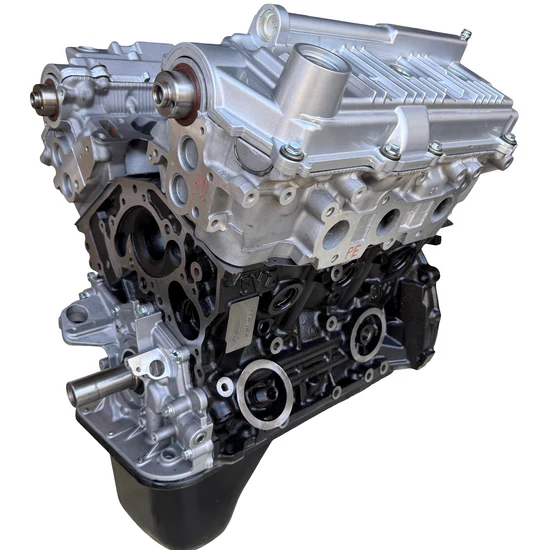
The 3.4L 5VZ-FE V6 is the engine that cemented the 3rd Generation 4Runner (1996–2002) as a legendary off-road icon. Swapping from the 3.0L “3VZE” (known for head gasket issues), the 5VZ-FE brought massive improvements in power, cooling, and overall durability.
While the engine remained largely the same throughout this run, the delivery was refined over the years, especially with the introduction of “Drive-by-Wire” in later models (2001–2002).
Bore x Stroke: 93.5 mm x 82.0 mm
Compression Ratio: 9.6:1
Induction: Naturally Aspirated (TRD Supercharger compatible)
The 3rd Gen 4Runner is lighter than the Tundra or Sequoia of the same era, making the 3.4L feel much more “peppy” in this chassis.
Non-Interference Design: If the timing belt snaps, the engine simply shuts off without destroying the valves.
Excellent Heat Management: Unlike its predecessor, the 5VZ-FE features a much more efficient cooling jacket design, making head gasket failures extremely rare.
Off-Road Capability: The engine provides peak torque at a relatively low $3,600$ RPM, which is ideal for technical rock crawling and steep inclines.
If you are buying or maintaining a 1996–2002 4Runner, these are the high-priority items specific to this platform:
The most critical failure point. The internal cooler for the automatic transmission can crack, mixing coolant and ATF.
The Fix: Replace the radiator every 10 years/150k miles, or install an External Transmission Cooler to bypass the radiator entirely.
While the engine is robust, high-mileage 3.4Ls (250k+ miles) can develop a slow leak at the rear main seal. It’s a cheap part but requires dropping the transmission to reach.
Rodents love the taste of the knock sensor wiring located deep in the “V” of the engine. If you get a P0325 or P0330 code, you likely need to replace the sensors and the harness pigtail.
The 5VZ-FE uses a waste-spark ignition system. It is highly recommended to use dual-ground electrode plugs (like NGK BKR5EKB-11 or Denso K16TR11). Single-prong plugs can cause a slight stumble or rough idle in these specific engines.
Because the 3rd Gen 4Runner has such a massive enthusiast following, the aftermarket support for the 3.4L is huge:
TRD Supercharger: The most popular power mod. It’s a bolt-on roots-style blower that provides a significant boost for highway passing and high-altitude driving.
Deckplate Mod: A popular DIY airbox modification that increases airflow to the engine for a throatier sound and slightly better throttle response.
ISR (Intake Silencer Removal): Deleting the plastic baffles in the intake tube to smooth out airflow to the throttle body.
The 1996–2002 4Runner with the 3.4L V6 is widely considered the “sweet spot” of the 4Runner’s 40-year history. It offers the perfect balance of 90s mechanical simplicity and modern fuel-injected reliability. With basic oil changes and a fresh timing belt every 90,000$ miles, these engines routinely cross the 400,000-milemark.
condition: Remanufactured
guarantee: 6 Months
engine size: 3.4L
fuel type: Gasoline
number of valves: 24
number of cylinders: 6-Cylinder
performance : Non Turbo
compression ratio : 9,6
bore diameter mm : 93,5
maximum horsepower ps : 193
maximum power kw : 142
maximum power speed rpm : 4800
make : Toyota
model : 4runner
displacement : 3,4L
maximum torque n m :
maximum torque speed rpm : 3600
dimension : 25x25x33 inch





Reviews
There are no reviews yet.