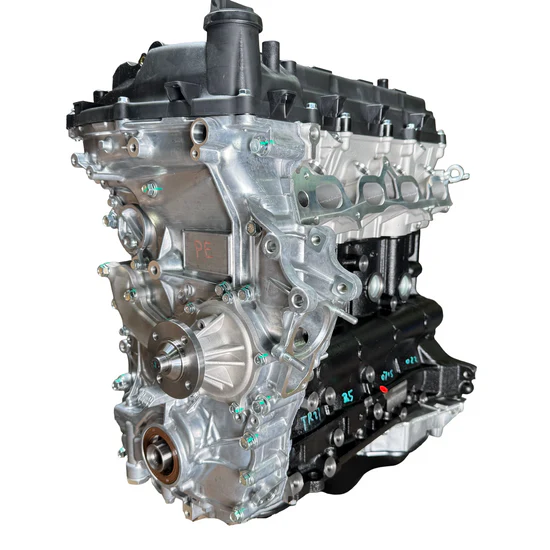
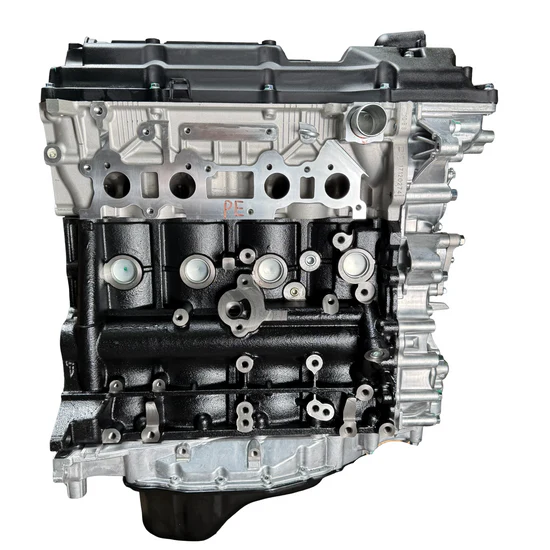
The Toyota 2TR-FE is the definition of “if it ain’t broke, don’t fix it.” While the 3.5L V6 gets the glory for towing, the 2.7L inline-four is the choice for owners who prioritize mechanical simplicity and legendary longevity. For the 2016–2023 Tacoma (3rd Generation), this engine received a significant “Dual VVT-i” update to keep it compliant with modern efficiency standards.
The 2TR-FE is a rugged, iron-block engine designed specifically for trucks and SUVs, prioritizing low-end torque and durability over high-speed performance.
Before 2016, the 2TR-FE only featured variable valve timing on the intake side. The 2016 update added it to the exhaust side as well.
The Result: This improved the engine’s breathing, helping it meet stricter emissions standards while providing a slightly flatter torque curve, which is critical for a mid-size truck.
Toyota engineers added a resin-coated piston skirt and updated the oil pump to reduce internal drag. They also switched to a plastic intake manifold to shave weight off the front end of the truck.
The 2TR-FE is frequently cited as one of the most reliable engines Toyota has ever built, often surpassing 300,000 or even 400,000 miles with basic care.
Timing Chain: Like its smaller cousins, it uses a robust timing chain rather than a belt. It is designed to last the life of the engine.
Valve Adjustments: It features hydraulic lash adjusters, meaning you don’t need to perform the periodic valve clearances required on older Toyota truck engines.
Coolant Bypass Pipe: On older versions, this pipe was plastic and prone to cracking. By the 2016–2023 era, Toyota moved toward more durable components, but it’s still a part to inspect if you ever notice a mysterious coolant loss.
In the 3rd Gen Tacoma, the 2.7L is usually paired with the AC60E 6-speed automatic transmission.
The Trade-off: It is not a “fast” engine. Because the Tacoma is a heavy frame-on-body vehicle, the 159 hp has to work hard. However, because it is a “square” engine (bore and stroke are equal), it produces very consistent torque for light hauling and daily commuting.
Efficiency: While you might expect significantly better MPG than the V6, the 4-cylinder often works harder to move the truck, resulting in fuel economy that is usually only 1–2 MPG better than the larger V6 in real-world driving.
The Verdict: If you are building a “forever truck” for light-duty work or daily driving and don’t plan on towing heavy trailers, the 2.7L 2TR-FE is arguably the most reliable powertrain option in the modern mid-size truck market.
Will Fit: VIN#
condition: New
guarantee: 6 Months
engine size: 2.7L Dohc Dual VVT-i
fuel type: Gasoline
number of valves: 16
number of cylinders: 4-Cylinder
performance : Non Turbo
compression ratio :
bore diameter mm :
maximum horsepower ps :
maximum power kw :
maximum power speed rpm :
make : Toyota
model : Tacoma
displacement : 2.7L
maximum torque n m :
maximum torque speed rpm :
dimension :




Reviews
There are no reviews yet.